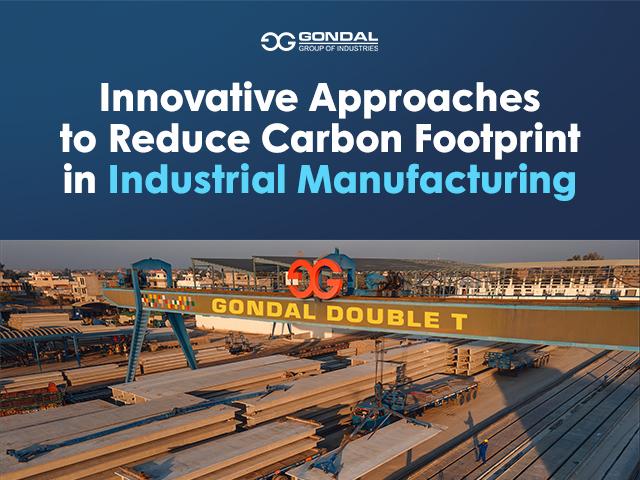
Industrial manufacturing plays a critical role in global economic development, but it also carries a significant environmental responsibility. With rising energy demands, stricter regulations, and growing awareness around climate change, manufacturers are now expected to adopt innovative approaches that reduce their carbon footprint while maintaining efficiency and quality. Companies like Gondal Group of Industries, operating across uPVC solutions, precast concrete, and industrial manufacturing, are well positioned to lead this transition through smarter processes and sustainable practices.
Energy Efficiency and Smart Power Management
One of the most effective ways to lower carbon emissions in industrial manufacturing is by improving energy efficiency. Modern manufacturing facilities are increasingly replacing conventional equipment with energy-efficient machinery, automated systems, and variable-speed drives that adjust power consumption based on real-time requirements. Smart energy monitoring systems allow manufacturers to track usage patterns, identify wastage, and optimize operations. By reducing unnecessary energy consumption, factories can significantly cut emissions while lowering operational costs.
Integration of Renewable Energy Sources
The adoption of renewable energy is becoming a key pillar of low-carbon manufacturing. Solar power, in particular, is gaining momentum in industrial settings due to falling installation costs and long-term reliability. On-site solar installations, combined with efficient grid management, help reduce dependence on fossil fuels and stabilize energy supply. For large manufacturing setups like those involved in concrete production and uPVC manufacturing, renewable energy integration can make a measurable impact on overall emissions.
Industrial manufacturing plays a critical role in global economic development, but it also carries a significant environmental responsibility. With rising energy demands, stricter regulations, and growing awareness around climate change, manufacturers are now expected to adopt innovative approaches that reduce their carbon footprint while maintaining efficiency and quality. Companies like Gondal Group of Industries, operating across uPVC solutions, precast concrete, and industrial manufacturing, are well-positioned to lead this transition through smarter processes and sustainable practices.
Energy Efficiency and Smart Power Management
One of the most effective ways to lower carbon emissions in industrial manufacturing is by improving energy efficiency. Modern manufacturing facilities are increasingly replacing conventional equipment with energy-efficient machinery, automated systems, and variable-speed drives that adjust power consumption based on real-time requirements. Smart energy monitoring systems allow manufacturers to track usage patterns, identify wastage, and optimize operations. By reducing unnecessary energy consumption, factories can significantly cut emissions while lowering operational costs.
Integration of Renewable Energy Sources
The adoption of renewable energy is becoming a key pillar of low-carbon manufacturing. Solar power, in particular, is gaining momentum in industrial settings due to falling installation costs and long-term reliability. On-site solar installations, combined with efficient grid management, help reduce dependence on fossil fuels and stabilize energy supply. For large manufacturing setups like those involved in concrete production and uPVC manufacturing, renewable energy integration can make a measurable impact on overall emissions.
Sustainable Material Selection and Innovation
Material choice plays a major role in determining the carbon footprint of industrial products. In construction-related manufacturing, innovations such as low-carbon concrete mixes, blended cements, and recyclable polymers are helping reduce emissions at the source. Precast concrete manufacturing benefits from controlled environments where material usage is optimized and waste is minimized. Similarly, uPVC products offer durability, longevity, and low maintenance requirements, reducing the need for frequent replacement and associated emissions over time.
Circular Economy and Waste Reduction
A circular economy approach focuses on minimizing waste and maximizing resource efficiency. Industrial manufacturers are increasingly adopting recycling and reuse practices to reduce landfill disposal and raw material extraction. Concrete recycling units allow construction waste to be processed and reused in new projects, lowering both environmental impact and production costs. Manufacturing by-products that were once considered waste are now being repurposed into valuable inputs, contributing to a more sustainable production cycle.
Digital Technologies and Process Optimization
Advanced digital tools are transforming how manufacturers manage emissions. Technologies such as IoT sensors, data analytics, and automation enable real-time monitoring of production processes, energy usage, and material efficiency. Predictive maintenance reduces downtime and prevents energy losses caused by inefficient or faulty equipment. Digital optimization also allows manufacturers to simulate production scenarios and select the most energy-efficient options before implementation.
Designing for Durability and Long Lifecycle
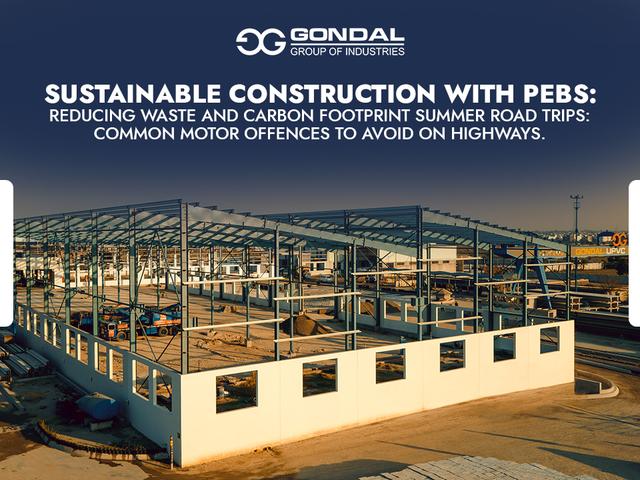
Another effective strategy to reduce carbon footprint is designing products that last longer and perform better over time. Durable industrial materials reduce the need for frequent repairs or replacements, lowering the cumulative emissions associated with manufacturing, transportation, and installation. Pre-engineered and precast systems support faster construction, reduced site waste, and improved quality control, all of which contribute to lower environmental impact.
Moving Toward a Low-Carbon Industrial Future
Reducing carbon emissions in industrial manufacturing is no longer optional; it is a strategic necessity. By combining energy efficiency, renewable integration, sustainable materials, circular practices, and digital innovation, manufacturers can achieve meaningful reductions in their environmental footprint. For organizations like Gondal Group of Industries, embracing these innovative approaches not only supports sustainability goals but also strengthens long-term resilience, compliance, and industry leadership.
Material choice plays a major role in determining the carbon footprint of industrial products. In construction-related manufacturing, innovations such as low-carbon concrete mixes, blended cements, and recyclable polymers are helping reduce emissions at the source. Precast concrete manufacturing benefits from controlled environments where material usage is optimized and waste is minimized. Similarly, uPVC products offer durability, longevity, and low maintenance requirements, reducing the need for frequent replacement and associated emissions over time.
Circular Economy and Waste Reduction
A circular economy approach focuses on minimizing waste and maximizing resource efficiency. Industrial manufacturers are increasingly adopting recycling and reuse practices to reduce landfill disposal and raw material extraction. Concrete recycling units allow construction waste to be processed and reused in new projects, lowering both environmental impact and production costs. Manufacturing by-products that were once considered waste are now being repurposed into valuable inputs, contributing to a more sustainable production cycle.
Digital Technologies and Process Optimization
Advanced digital tools are transforming how manufacturers manage emissions. Technologies such as IoT sensors, data analytics, and automation enable real-time monitoring of production processes, energy usage, and material efficiency. Predictive maintenance reduces downtime and prevents energy losses caused by inefficient or faulty equipment. Digital optimization also allows manufacturers to simulate production scenarios and select the most energy-efficient options before implementation.
Designing for Durability and Long Lifecycle
Another effective strategy to reduce carbon footprint is designing products that last longer and perform better over time. Durable industrial materials reduce the need for frequent repairs or replacements, lowering the cumulative emissions associated with manufacturing, transportation, and installation. Pre-engineered and precast systems support faster construction, reduced site waste, and improved quality control, all of which contribute to lower environmental impact.
Moving Toward a Low-Carbon Industrial Future
Reducing carbon emissions in industrial manufacturing is no longer optional; it is a strategic necessity. By combining energy efficiency, renewable integration, sustainable materials, circular practices, and digital innovation, manufacturers can achieve meaningful reductions in their environmental footprint. For organizations like Gondal Group of Industries, embracing these innovative approaches not only supports sustainability goals but also strengthens long-term resilience, compliance, and industry leadership.